

Cosmic Branding: Designing With Astrology, Elements, and Planetary Energy
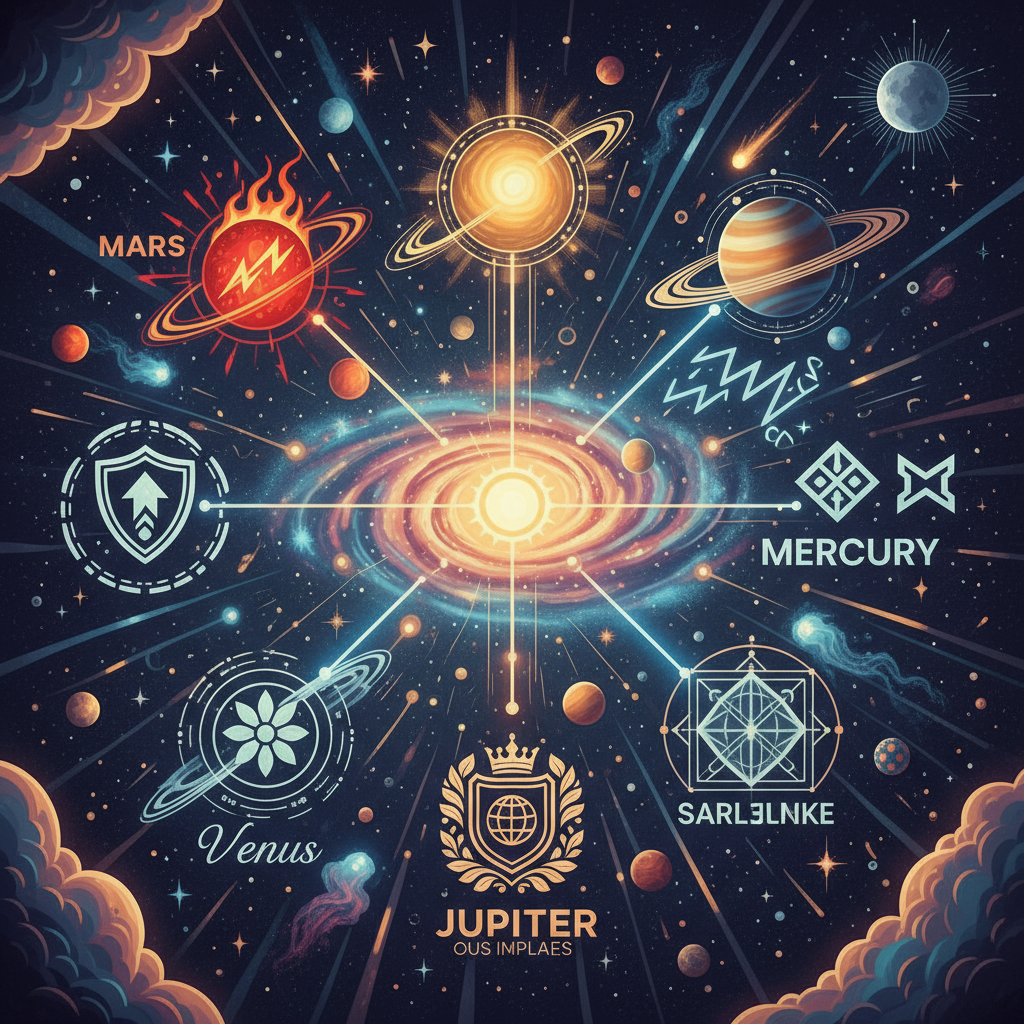
Cosmic Branding integrates the captivating worlds of astrology and design to create brand identities that resonate on a cosmic level. By tapping into the energies of planets and elements, designers can bring a unique perspective to website design and branding strategies. In this article, we will delve into the essentials of Cosmic Branding and share seven significant insights to elevate your brand’s identity.
Understanding Cosmic Branding
The essence of Cosmic Branding lies in aligning your brand’s message with the universal energies that surround us. This approach recognizes that every element, from color schemes to typography, carries its own astrological significance. Design becomes more than just aesthetics; it transforms into an energetic alignment with the cosmic forces of nature.
1. The Role of Astrology in Branding
Astrology plays a pivotal role in Cosmic Branding. It allows designers to tune into celestial insights that influence brand traits. By understanding the zodiac signs, businesses can craft their identity to align with the attributes associated with each sign. For instance, a brand that embodies Leo’s qualities might focus on confidence and creativity, while a brand inspired by Virgo may highlight detail-oriented efficiency.
2. Incorporating Elements in Design
The four elements—Earth, Air, Fire, and Water—are fundamental to Cosmic Branding. Each element represents various characteristics and emotions. Brands can convey specific messages by choosing colors that resonate with a particular element:
- Earth: Reliability, stability, and nature (brown, green)
- Air: Creativity, freedom, and intellect (light blue, yellow)
- Fire: Passion, energy, and boldness (red, orange)
- Water: Emotion, intuition, and depth (blue, aqua)
3. Planetary Influences
Different planets also carry unique energies that can enhance website design. For example, Venus inspires beauty and harmony, making it a perfect influence when focusing on aesthetic branding. Meanwhile, Mars instills courage and action, ideal for brands looking to promote dynamic engagement.
4. Building a Brand Personality with Cosmic Alignment
Creating a brand personality is crucial in establishing connections with your audience. Evaluate how your brand’s message aligns with Cosmic Branding principles. Use astrological traits to forge a narrative that resonates with your target market. Here, authenticity becomes the cosmic thread linking your brand to the universe.

5. Using Symbolism Effectively
Symbolism can significantly enhance your branding strategy. Cosmic symbols, like the zodiac wheel or planetary icons, can be incorporated into logo designs or marketing materials, reinforcing the Cosmic Branding theme. Brands can utilize symbols to communicate their ethos instantly.
6. Engaging with the Audience on a Cosmic Level
Understanding your audience’s astrological inclinations can guide how you interact with them. By customizing marketing messages to align with their cosmic profiles, you provide a more personalized customer experience. Using tools such as Astro.com can help analyze audience demographics based on zodiac distributions.
7. Real-World Examples of Cosmic Branding
To see how Cosmic Branding manifests in the real world, examine brands like Moon Juice, which incorporates lunar elements in its image and product offerings. Their tap into the mystical quality of the moon, creating an immersive brand experience. Another example is the astrology app Co–Star, which uses vivid cosmic themes and personalized forecasts to engage users effectively.
Conclusion
Incorporating Cosmic Branding into your design practice not only sets you apart but also creates an authentic connection with the universe and your consumers. By understanding and applying astrological, elemental, and planetary influences, you can transform your website design and brand identity into a cosmic experience.
To explore more about branding and astrology, check out this resource from Forbes or learn about advanced branding strategies on Harvard Business Review.